There is a particular pleasure in a room that feels settled. It has space to breathe, somewhere comfortable to sit and a few things you enjoy looking at. Warm minimalism begins there: with the way a room feels to use, rather than a list of things it needs to contain.
Begin with what earns its place
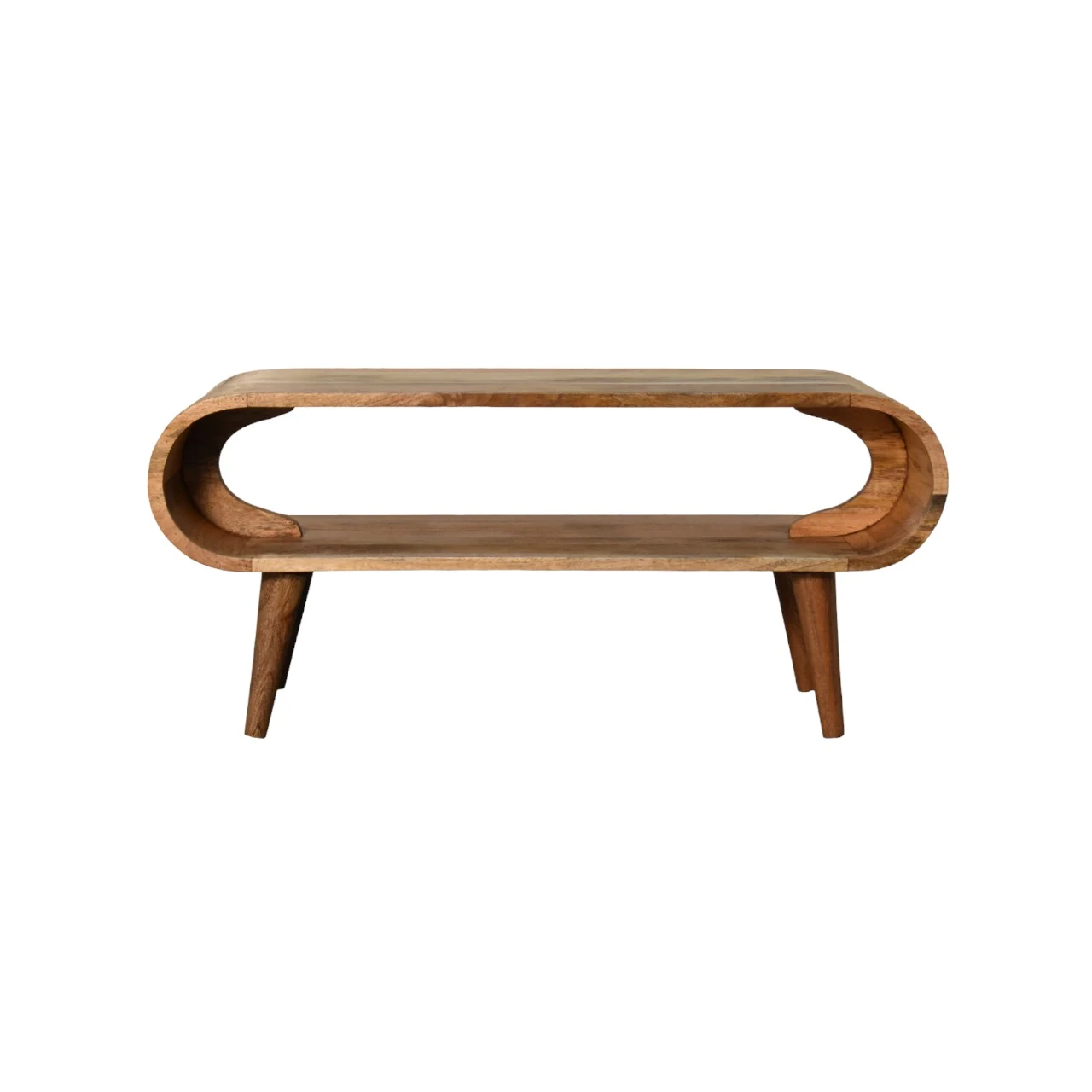
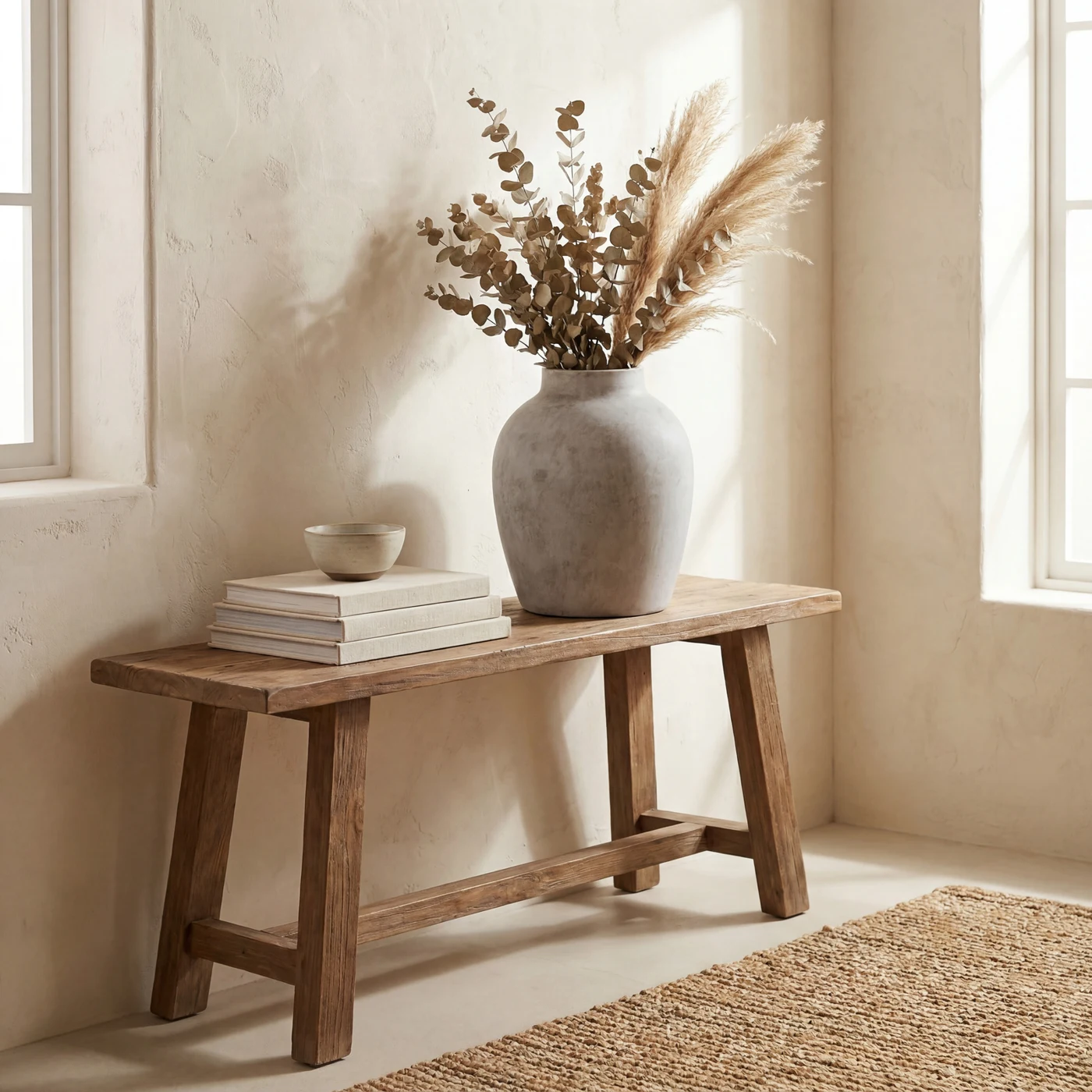
Before adding anything, notice where you put your book, where you sit with a cup of tea and which corners feel awkward. A small table can make a favourite chair useful. A generous vase might give an empty console a focal point. Choose the job before you choose the object.
Leave enough room around furniture to move comfortably. Measure the piece and the route it will take into the house, including doors, stairs and tight turns. Tape its footprint on the floor if you find dimensions difficult to picture.
Keep the palette warm, rather than flat
Cream, oatmeal and soft stone make an easy background. Brown adds depth; natural wood brings variation. A room does not need every surface to be the same shade. In fact, subtle differences between a pale wall, a woven rug and a wood table make a neutral scheme more interesting.
If a room already contains cooler grey, work with it. A warm brown chair or a cream throw can soften the balance without replacing furniture that still serves you well.
Let texture do some of the work
Try combining a smooth table with a textured ceramic vase, or a soft chair with a plain linen-style shade. These contrasts give the eye something to notice while keeping the overall composition calm. You need fewer objects when their surfaces and shapes are distinctive.
Finish with a little green
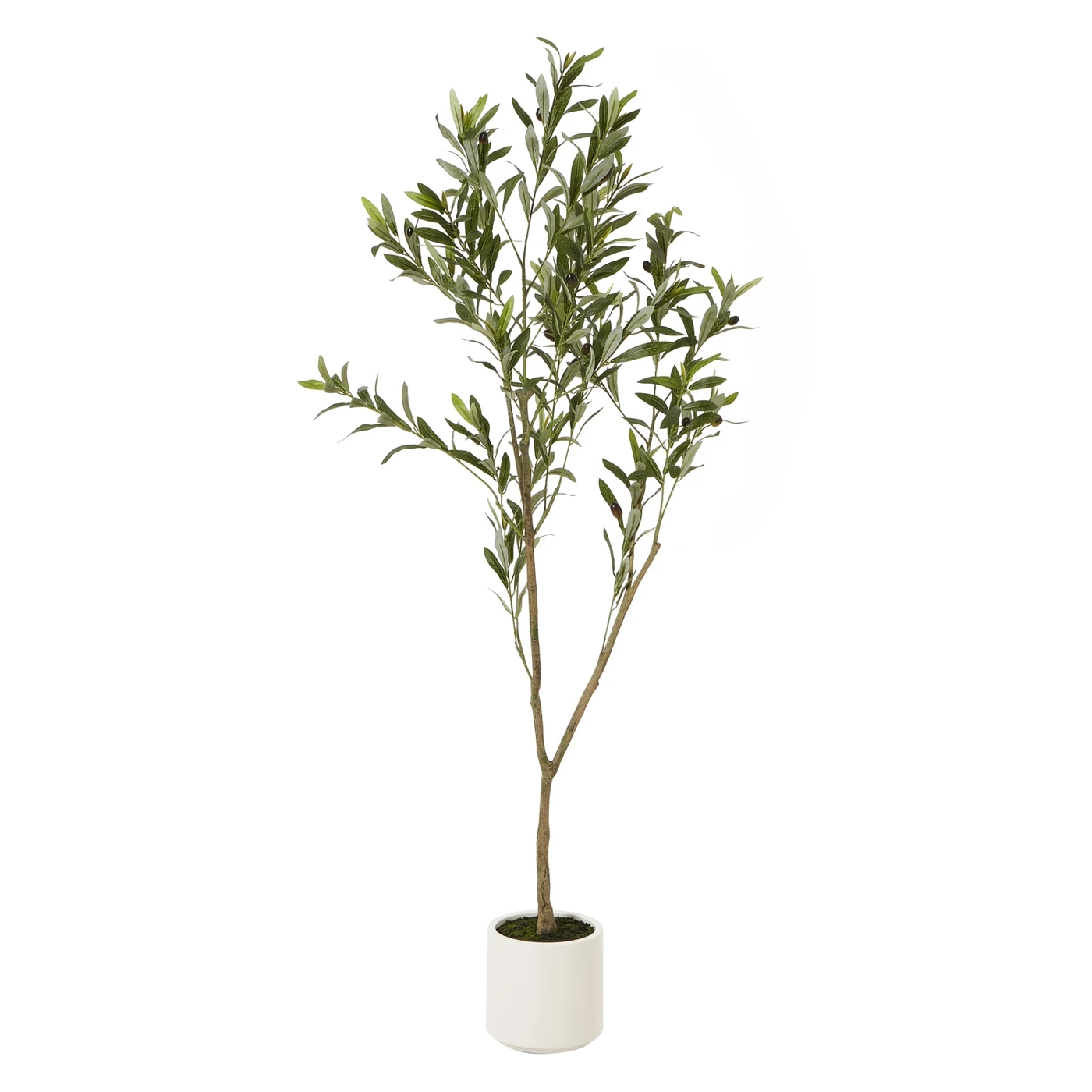
A branch-shaped arrangement or a simple tree can soften straight furniture lines. Check proportions: foliage should have room to spread, and a vase needs enough weight and a suitable opening for the stems. Keep artificial foliage clear of heat sources and follow its care instructions.
Then stop for a while. Live with the room before filling the remaining spaces. The most useful final edit is often removing one thing, moving another and letting the pieces you chose have a little more room.